code graph
5 posts carrying this tag.
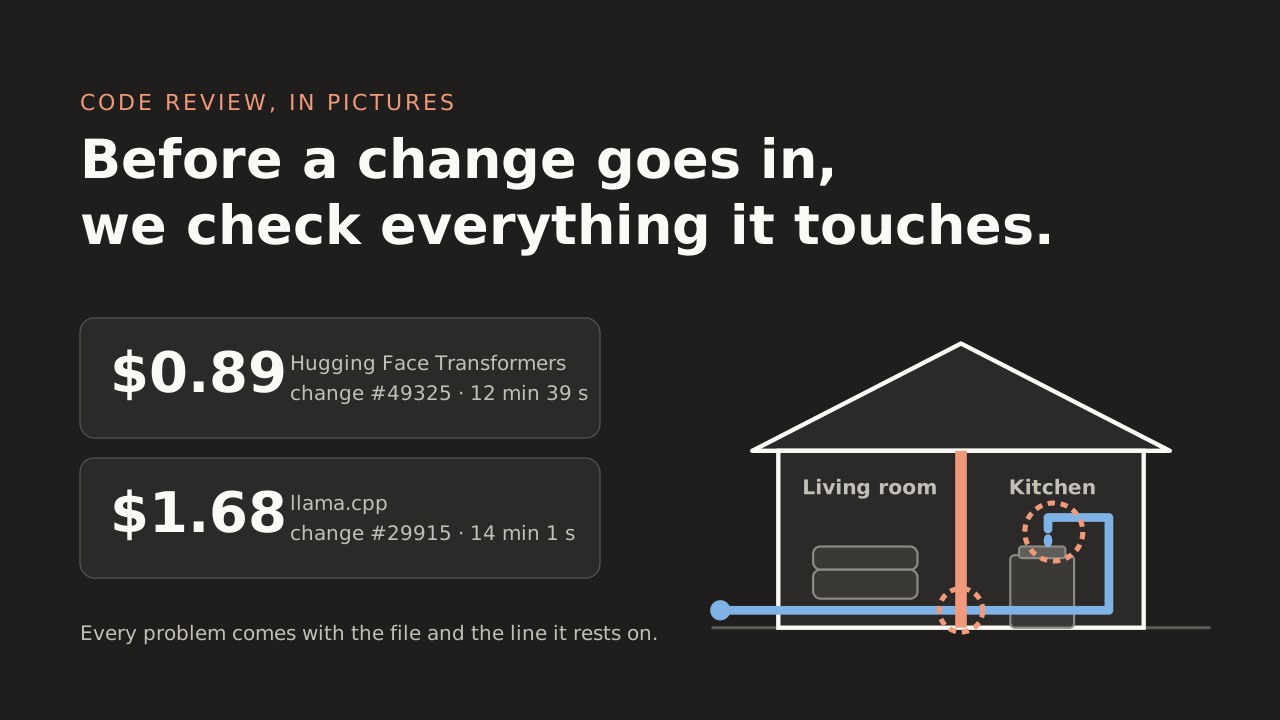
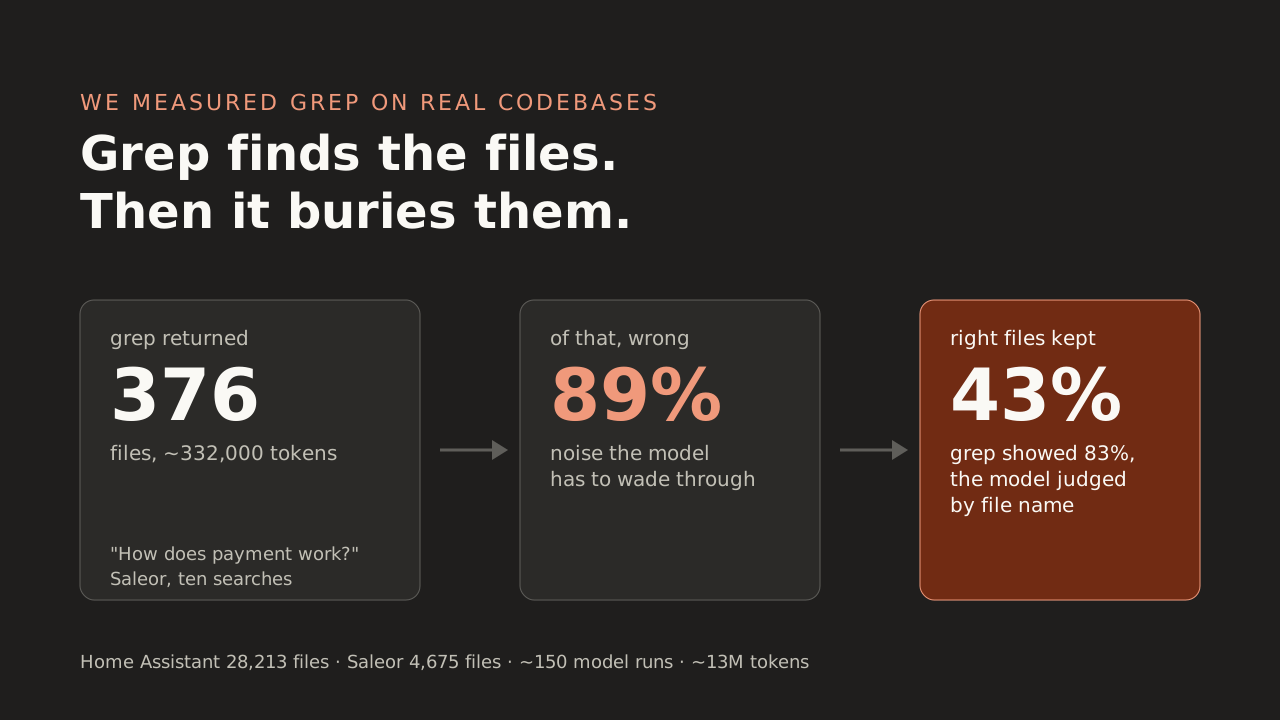
We Measured Grep on Real Codebases. Here's What Actually Breaks.
We measured how coding agents search with grep on Home Assistant and Saleor: about 150 model runs and 13 million tokens. Grep finds the files, then buries them in noise, and it can't follow inheritance or code that never says the name. A bigger model doesn't fix it.
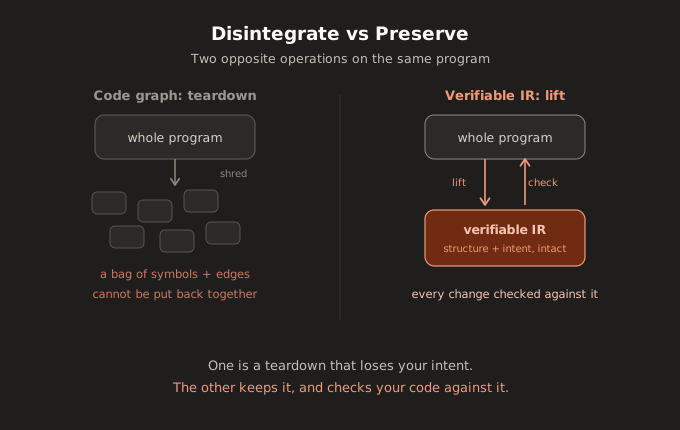
A Code Graph Disintegrates Your Code. A Verifiable IR Preserves It.
A code graph takes a whole, coherent program and shreds it into a bag of symbols and edges. It is genuinely useful, but it is a teardown, and the meaning never survives the pieces. A verifiable intermediate representation is the opposite move. It lifts your code into a higher layer that keeps the intent intact, then checks every change against it. Here is the difference between shredding and preserving, and why it decides everything downstream.
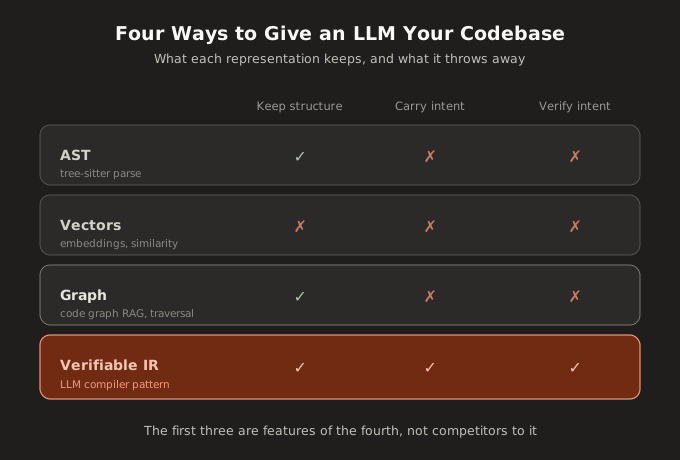
AST vs Vector vs Graph vs IR: Four Ways to Give an LLM Your Codebase
Every tool that feeds your codebase to an AI coding agent picks one of four representations. AST parsing, vector embeddings, code graphs, or a verifiable intermediate representation. Here is what each one keeps, what each one throws away, and why the first three are features of the fourth.
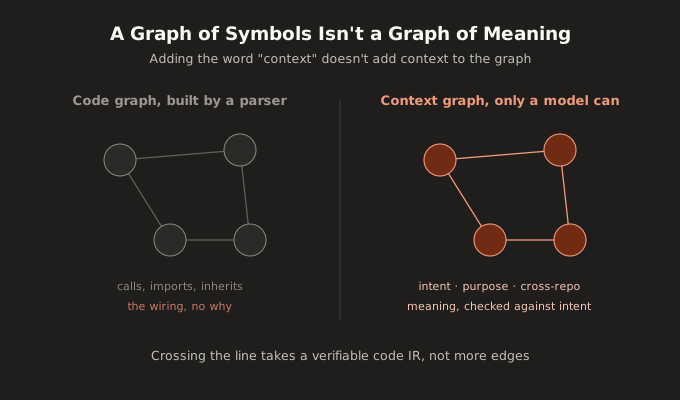
From Code Graph to Context Graph: Why a Graph of Symbols Isn't a Graph of Meaning
Everyone building code intelligence ends up at a graph, and then they start calling it a context graph because plain code graph stopped feeling like enough. But adding the word context does not add meaning. A graph of symbols and a graph of meaning are different objects. Here is the line between them, and why crossing it requires a verifiable code IR, not more edges.